Garden Landscapes in London
Garden Landscapes in London provides practical outdoor work for homes and properties that need clearer layout, tidier planting and dependable upkeep. Our core service brings together garden landscaping, lawn care, hedge work and other common garden improvements so that one project can be planned sensibly rather than pieced together in a hurry. If you need a defined border, a cleaner lawn finish, stronger structure or a more usable family garden, the service is geared to those outcomes.
We can support the garden as a whole or focus on specific tasks that sit within a wider plan. That may include fresh turf, routine cutting, fence updates, jet washing for hard surfaces or careful clearance before new work begins. The aim is straightforward: keep the work joined up, keep the scope realistic, and give you a clear route from an overgrown or tired space to something easier to use and maintain.
To begin, consider which parts of the garden feel underused, difficult to look after or visually unbalanced. A brief outline of access, size and the type of finish you want is usually enough to start a useful conversation. Send through the basics and we can help shape the most suitable approach. If you already know you want a quotation, the pricing and quotes page is the best place to take the next step.
Landscaping work that shapes the garden properly
Landscaping is often most effective when the design and the practical work are considered together. A garden may need levelling, a neater edge between lawn and planting, or a new arrangement that helps the space feel ordered without making it difficult to look after. We handle the visible structure as well as the finishing touches, so the result feels deliberate rather than patched together from unrelated jobs.
Where a garden has become awkward to use, we can discuss the changes that matter most: opening paths, defining borders, refreshing tired ground, or preparing the space for subsequent planting and surfacing. The work may be simple or more involved, but it should always be judged against the same standard: what will make the outdoor space more practical, more attractive and less demanding to manage over time.
For many customers the useful starting point is a clear list of priorities, followed by a sensible sequence of work. If you would like to understand the kinds of tasks involved before making a decision, the landscape gardening page gives a broader view of that style of project. For a simple first step, ask for a quotation once you know what changes matter most.
Maintenance that keeps the garden under control

Good garden maintenance is less about dramatic change and more about regular attention to the parts that quickly lose shape. Grass, hedges, edging and borders tend to show neglect early, and once a garden slips behind it can feel larger than it really is. Our maintenance work is designed to restore order and then keep it steady, whether that means a one-off tidy or an arranged pattern of visits.
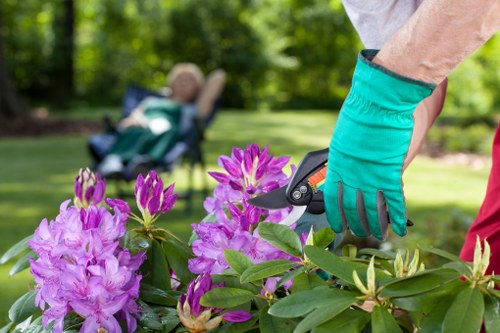
That work can include mowing, grass cutting, hedge trimming and general tidying around planting areas. The right level depends on the garden itself: some spaces need a light seasonal reset, while others need more frequent care to stop growth from crowding paths, fences and beds. We keep the service practical, so the emphasis stays on clean results, safe access and a finish that suits the space rather than forcing it into an unrealistic ideal.
If your garden only needs a few regular tasks, it can help to separate the essentials from the extras before you enquire. Think in terms of what must be done now and what can wait for a later visit. You can review the wider care options on the garden maintenance page and then request a quote once the main priorities are clear.
Lawns cut, shaped and re-established
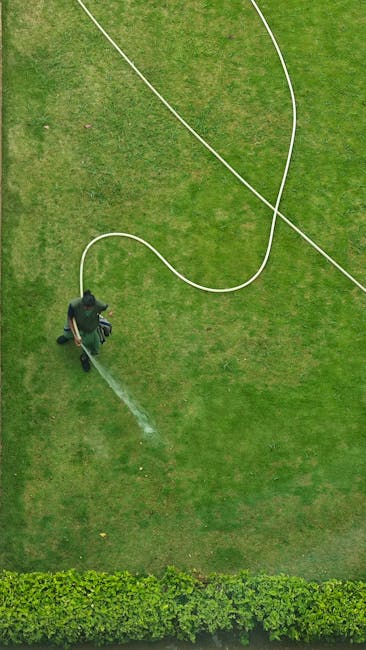
A lawn has a strong effect on the look of a garden because it sits at the centre of the space and frames everything else. If it is patchy, long, uneven or edged poorly, the whole garden can feel unfinished. We provide lawn mowing and related grass cutting work to bring that core surface back to a neat, managed condition. The result is not only visual; it also helps the rest of the garden look intentional.
In some gardens, cutting alone is enough. In others, the lawn needs more than a trim and may benefit from a refreshed edge, better ground preparation or new turf. That is where it helps to look at the lawn as part of the wider layout rather than as a separate item. We can discuss how the grass surface fits with borders, paths, fences and planting so the final finish makes sense across the whole space.
Useful lawn work is often about timing and consistency rather than one-off effort. If the grass has become difficult to manage, a clear plan is usually better than repeated guesswork. You can browse the lawn mowing services page for a closer look at this type of work, or move straight to a quotation if you already know the scope. Tell us what the lawn is like and we can help work out the next step.
Hedges, boundaries and a cleaner outline

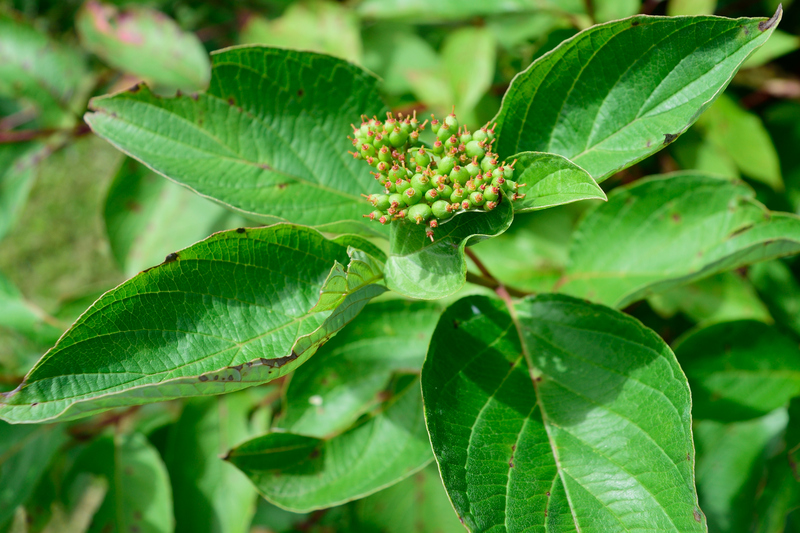
Hedges and boundary planting are useful because they give a garden shape, privacy and a visual edge, but they also become untidy quickly if they are left alone. Our hedge trimming work is designed to keep lines clear, control growth and prevent shrubs from spilling into paths or overpowering smaller planting areas. In a compact garden, a careful cut can make the whole space feel more open.
Not every hedge needs the same approach. Some benefit from light maintenance to preserve a formal outline, while others need a firmer reduction to bring them back into balance. The key is to work with the plant’s form and the layout around it, rather than simply removing growth without regard to the finish. A hedge can be trimmed for shape, height, access or general neatness, depending on what the site actually needs.
If your boundary planting has become too high, too wide or uneven after a period of growth, it is worth comparing the likely effort with the result you want. The hedge trimming page covers this service in more detail. Keep your enquiry simple and say whether the work is for shaping, reduction or general control, then ask for a quotation.
Clearance before improvement work begins
Garden clearance is often the best way to make a neglected or crowded space ready for proper attention. It can involve the removal of overgrowth, loose garden waste, broken fittings or materials that are no longer wanted. Rather than trying to work around clutter, clearance creates a cleaner starting point so later landscaping or maintenance can be judged properly.
This work can be especially helpful where access is limited or where plants and waste have built up in layers. Clearing the space gives a better view of the garden’s structure, including edges, planting zones and hard surfaces that may have been hidden. It also makes it easier to decide whether the next step should be cutting back, reshaping, re-turfing or repairing parts of the garden that have been left too long.
If you are unsure how much needs removing, it is better to describe the condition honestly than to guess at the finished job. You can look at the garden clearance page for the general service scope. If a quotation is your next step, share the main areas of concern and we will keep the conversation focused on what is actually there.
Structures, surfaces and the finishing details
Many garden projects depend on the details that sit around the planting itself. Decking, fences and hard-standing features influence how the space works and how cleanly it feels when viewed as a whole. We offer practical support with garden decking, fence installation and fence replacement where those features need to be introduced, renewed or brought into better condition as part of the wider garden plan.
These items are not only decorative. A fence can define privacy and boundary lines, while decking can create a raised or level area for seating and easier movement through the garden. The best result comes when these elements are chosen with the rest of the plot in mind, so the finishes work together instead of competing for attention. That is why it helps to think about materials, height, position and maintenance before the job begins.
You can use the garden fence installation page if you want to understand one part of this work more clearly. When you are ready, ask for a quotation that reflects the exact scope of the structure or surface you want to improve.
Tree work and the safer management of larger growth

Where trees have become too large, too dense or awkwardly placed, they can affect light, access and the general balance of a garden. We can help with tree lopping and removal, tree cutting and tree surgeon-style work when the situation calls for careful handling of larger growth. This is the kind of service that needs thought, because the work must respect both the tree and the space around it.
Different trees and different locations call for different approaches. A branch may need reducing for clearance, a tree may need reshaping, or a larger specimen may need removing if it is no longer suited to the site. The practical question is not only what can be cut, but what should be cut to achieve a sensible outcome. We can discuss the task in relation to the surrounding garden so the work is proportionate and clear.
If your enquiry concerns a larger tree, it helps to identify whether the issue is shading, overhang, size, access or general condition. You can review the tree surgeon page for this type of service and then decide whether you need cutting back or full removal. Tell us the main issue first, and a quotation can be prepared against that scope.
About London
London is a large and historically layered city spread across the River Thames, with a settlement pattern shaped by centuries of growth from the City of London and Westminster outward into a broad urban region. The river remains one of its defining geographical features, crossed by many bridges and threaded with former docklands, canals and riverside walks. Major landmarks such as the Tower of London, St Paul’s Cathedral, the Palace of Westminster and Buckingham Palace sit alongside residential districts, civic institutions and extensive transport links. The city’s architectural character is unusually varied: medieval fragments, Georgian terraces, Victorian streets, post-war estates and contemporary towers often appear within a short journey of one another. Parks also form a major part of its identity, from Hyde Park and Regent’s Park to smaller local green spaces that break up dense neighbourhoods. London’s museums, theatres, markets and music venues contribute to a cultural life that is both international and highly local, with many districts retaining a distinct atmosphere despite being part of a single metropolis. The city’s boroughs and neighbourhoods have evolved at different speeds, and that mixture of old routes, redeveloped land and protected historic fabric gives London its distinctive texture. It is a place where formal squares, suburban streets, waterside paths and commercial centres sit side by side, creating an urban landscape that remains constantly in motion yet deeply recognisable.
When a project is more substantial, a clear quotation process helps keep expectations realistic. We can work from a brief description of the site, the main tasks and any useful notes about access or preferred finish. If several items need attention, it is often best to group them into one practical plan rather than treat each as a separate concern. Use the quotation request as a starting point and keep the description focused on the work that matters most. For pricing details and next steps, the pricing and quotes page is available when you are ready to proceed.
For customers who also want to understand how we handle standards and site care, the related policy pages set out our approach to payment, safety and responsible working. You can read the health and safety policy for a more formal outline of precautions, while the recycling and sustainability page explains how waste and reusable material are considered where relevant. These pages support the service, but the main decision remains simple: choose the work that best suits the garden and ask for a quotation based on that scope.
Making a quotation request straightforward
Clear quotations are easier when the work is described in practical terms. The most helpful details are usually the type of garden, the main tasks required and any features that might affect the job, such as tight access, steep levels, heavy growth or existing structures that need care. That does not mean you need to prepare a long brief. A concise description is often enough to establish whether the job is mainly landscaping, maintenance, clearance or a mixture of those things.
It also helps to decide what matters most if the budget needs to be kept under control. For example, a garden may need both surface work and planting adjustments, but one part may be more urgent than the other. By separating the essentials from the desirable extras, you can make the quotation more useful and easier to compare. If you prefer to look at the service range first, the garden services page gives a broader overview of what can be covered.
Request a quotation when you are ready to move from ideas to action. If the site needs a broader refresh, the enquiry can cover multiple tasks together; if it only needs a single item, that is fine too. The point is to make the next step clear and workable.
Choosing the right mix of garden work

Some customers know they need a full refresh, while others only want one part of the garden improved. That is why the service can be shaped around different combinations of work. A landscaping project might sit alongside fence replacement and turfing, whereas a maintenance visit might simply involve grass cutting and hedge trimming. The value lies in matching the work to the state of the garden rather than forcing every property into the same pattern.
We can also support properties that need a phased approach. That may mean beginning with clearance, following with structural changes and then settling into routine care. Where that makes sense, it is often better than trying to do everything at once. A phased plan gives the garden time to change in a controlled way, and it can make the final result easier to maintain. It also makes each stage easier to judge on its own merit.
If you are deciding between options, use the service page that most closely matches the main job, then ask for a quotation based on that specific scope. The landscaping page is useful for broader changes, while lawn mowing suits straightforward grass care. For a direct enquiry, send the outline now and request your quotation so the work can be assessed against the right starting point.