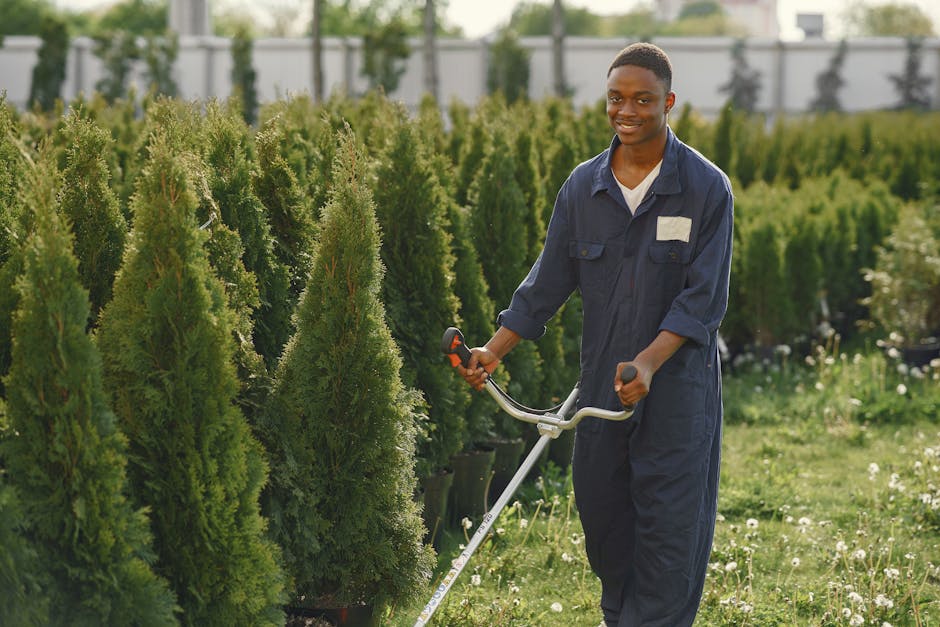
Real cost of hiring a gardener in the UK explained
If you have ever looked at an overgrown lawn, a hedge that has gone a bit feral, or a patio that needs rescuing after one too many wet weekends, you have probably asked the same thing: what is the real cost of hiring a gardener in the UK? The answer is not as tidy as a single price. It depends on the job, the garden size, the frequency of visits, access, disposal needs, and whether you need a one-off tidy-up or ongoing maintenance.
That is exactly why this guide exists. Below, we break down the real-world costs, what gardeners usually charge for, where the hidden extras creep in, and how to decide whether you need a local gardener, a maintenance plan, or a more specialist service such as hedge trimming or garden clearance. No fluff. Just the useful stuff you need before you pick up the phone.
Table of Contents
- Why the real cost matters
- How gardener pricing works
- Key benefits of hiring professionally
- Who this is for and when it makes sense
- Step-by-step guidance
- Expert tips for better results
- Common mistakes to avoid
- Tools, resources and recommendations
- Law, compliance, standards and best practice
- Options and cost comparison
- Real-world example
- Practical checklist
- Conclusion
- Frequently asked questions
Why Real cost of hiring a gardener in the UK explained Matters
Garden work looks simple from the back door. Then you start adding it up. A quick grass cut turns into edging, weed removal, hedge work, sweeping, green waste removal, and perhaps a jet wash for the patio. Suddenly the quote is not just "a gardener for an hour" anymore. It is a mix of labour, equipment, travel, disposal, and expertise.
Understanding the real cost matters because it stops two common problems: paying too much for basic work, or underbudgeting and being surprised when the final bill lands. To be fair, a lot of frustration comes from unclear expectations rather than bad service. If you know what is included, you can compare gardeners properly instead of comparing apples with, well, a rather neglected apple tree.
It also helps you decide whether you need a one-off garden maintenance visit, a specialist service such as hedge trimming, or a broader package from a gardening services provider. Different jobs sit in different price brackets, and that is normal.
Expert summary: the real cost of a gardener is rarely just the hourly rate. The final number usually reflects time, garden condition, equipment, travel, waste removal, and whether the job needs specialist know-how. If you ask the right questions early, you avoid most nasty surprises.
How Real cost of hiring a gardener in the UK explained Works
Most gardeners price work in one of four ways: hourly rate, fixed quote, visit-based pricing, or a maintenance contract. Some will use a mix depending on the job. A simple lawn cut might be charged by the visit, while a badly overgrown garden is more likely to get a quoted price after inspection.
Here is the practical reality. A gardener is not pricing only the time spent with a mower or shears in hand. They are also factoring in setup, loading tools, fuel, travel, the condition of the garden, and how long the tidy-up will take. If the gate is awkward, the hedge is towering, or there is a mountain of clippings to remove, the price moves. Fair enough, really.
For many households, the most common jobs include:
- grass cutting and edging
- weed control and border tidy-ups
- hedge cutting and shaping
- leaf clearance and seasonal tidy-ups
- patio cleaning or light jet washing
- general garden clearance for neglected spaces
If you are comparing providers, a dedicated lawn mowing services page or a broader garden services offering may be more relevant than a single "gardeners near me" search result. The wording matters because it tells you whether the business is set up for ongoing upkeep, bigger one-off jobs, or both.
One thing people often miss: access changes price. A long terraced garden through the house, a side return with narrow access, or a top-floor flat garden with no direct vehicle access can all take more time. So can working around pets, play equipment, or a tiny patch of dry weather when everybody in the street suddenly remembers they need their hedge done. Typical UK garden life, honestly.
Key Benefits and Practical Advantages
Hiring a gardener is not just about saving your Saturday afternoon, though that alone can be worth a fair bit. There are practical and financial benefits too, especially if you value consistency and want the garden to stay in good shape rather than slipping into emergency-jungle territory.
1. Better results, less guesswork
An experienced gardener usually spots what a quick DIY tidy misses: the wrong cut on a hedge, overwatered sections, compacted borders, or a lawn that is struggling because it has been cut too short for weeks. Little things, but they stack up. Good maintenance prevents bigger repairs later.
2. More predictable costs over time
Regular visits often cost less in the long run than repeated rescue jobs. A maintained garden takes less labour each visit, which can keep charges steadier. If you let everything go for months, you usually end up paying for a heavier reset. Truth be told, neglect is expensive.
3. Safer, cleaner work
Some jobs come with real hazards: ladders, power tools, thorny growth, hidden debris, or tree work above shoulder height. A professional who uses the right method and equipment lowers the risk of injury or damage. That matters even for small gardens.
4. Better seasonal planning
A gardener can plan around the year, not just the next sunny day. Spring growth, summer mowing, autumn leaf fall, and winter prep all need different treatment. If you are not sure what to do when, a regular service takes that mental load off your plate.
5. A nicer living space, quickly
There is a real emotional benefit here, even if it sounds a little soft. A tidy front garden or a swept patio changes how the whole house feels when you step outside on a Tuesday morning with a mug of tea. It is small, but not small. You notice it.
Who This Is For and When It Makes Sense
Hiring a gardener makes sense for a lot of people, but not always for the same reasons. Some need help because they are short on time. Others because the garden is too big, too messy, or too physically demanding to handle safely. And sometimes it is simply a quality decision: you want the job done properly, first time.
This is especially relevant if you are:
- a homeowner with limited time for upkeep
- a landlord wanting presentable outdoor space between tenancies
- an older resident who prefers not to manage heavy garden work
- a busy family needing regular lawn and hedge care
- a business or property manager keeping outdoor areas tidy
- someone inheriting a garden that needs a serious reset
It can also make sense after building work or a long period away, when the garden has gone from "slightly wild" to "well, that escalated quickly." In those cases, a garden clearance service may be more suitable than standard maintenance.
If your outdoor space needs more than mowing and sweeping, a local gardener can be a sensible first call because they can assess whether the job is routine care, a one-off tidy-up, or a broader landscaping issue. For bigger projects, a landscape gardening or landscaping conversation may be the better route.
Step-by-Step Guidance
If you want to avoid overpaying, the best approach is simple: define the job properly before you ask for a price. That sounds obvious, but in real life people often ask for "a quote for the garden" and hope for magic. The result? Vague responses and awkward comparisons.
- Walk the garden and list what actually needs doing. Grass cut, hedge trimmed, weeds removed, waste taken away, patio cleaned, beds tidied? Write it down.
- Decide whether it is one-off or ongoing. A single visit for a neglected space costs differently from fortnightly upkeep.
- Measure or describe access. Is there parking nearby? Can tools be carried easily? Is the back garden through the house?
- Photograph the problem areas. Pictures help a gardener judge effort more accurately and reduce quote surprises.
- Ask what is included. Labour only? Materials? Green waste removal? Fuel? Disposal fees? Don't assume.
- Compare like for like. A cheap price without waste removal may be more expensive once extras are added.
- Agree timing and frequency. Weekly, fortnightly, monthly, or seasonal? Pricing often changes with visit pattern.
- Check the follow-up plan. If the garden needs more than one visit, ask what will change after the first cutback or clearance.
That process saves a lot of back-and-forth. It also gives you a cleaner comparison if you are collecting quotes from a gardening company rather than an individual trader.
And one small but useful point: if a gardener offers an estimate before seeing the space, treat it as a rough guide, not a promise. A proper site visit is usually the better sign of professionalism.
Expert Tips for Better Results
There are a few habits that consistently lead to better value. None of them are glamorous. They just work.
Be clear about the standard you want
"Tidy" can mean very different things. To one person it means no visible mess; to another it means crisp edges, pruned shrubs, and a patio you could eat lunch on. Speak plainly. If you want the grass cut short, say so. If you want the borders left more natural, say that too.
Book before the garden gets out of hand
Waiting until everything is overgrown usually makes the job slower and dearer. Regular care keeps the workload down. There is a reason many people move to scheduled visits after one expensive rescue session. They learn the hard way, but they learn.
Match the service to the task
Not every gardener is the right fit for every job. Light maintenance, hedge work, tree removal, fencing, and decking all call for different capabilities. If your garden includes older structures or heavy growth, you may need specialist help like tree surgeon support, tree lopping and removal, or even garden fencing if boundary repairs are part of the job.
Think seasonally, not just urgently
A good garden plan is seasonal. Spring is for growth and recovery. Summer is for staying on top of mowing and watering. Autumn is for leaves and cutback. Winter is often the time to sort bigger improvements and structural work. A bit dull to say it, but timing really does affect cost.
Ask about waste removal before the job starts
Green waste can be a hidden cost. A small pile of clippings is one thing; a few wheelbarrows of hedge trimmings or a full garden clearance is another. If disposal is not included, make sure you know what happens to the waste.
Common Mistakes to Avoid
Most disappointment comes from a few avoidable errors. The good news? They are all easy to fix once you know what to look for.
- Choosing on price alone. The cheapest quote is not always the best value if it excludes waste removal, tools, or follow-up work.
- Not defining the job clearly. "General tidy" is too vague for a proper quote.
- Ignoring access issues. Narrow side gates, no parking, or steep steps can change labour time quite a bit.
- Assuming specialist jobs are standard jobs. Hedge reductions, tree work, and fence repairs are different from routine mowing.
- Forgetting about seasonal demand. Spring and early summer can be busier, which may affect availability and pricing.
- Not asking what happens after the first visit. Some gardens need a staged approach. If that is the case, plan it properly.
One more thing. If a quote sounds too neat and too low, ask more questions. Not because the gardener is dishonest, but because something may be missing from the price. It happens.
Tools, Resources and Recommendations
You do not need fancy equipment to make a good hiring decision. In fact, the best tools are usually the boring ones: a notebook, a phone camera, and a clear checklist. That said, there are a few practical resources and service types worth knowing about.
Useful service categories to understand
- Grass cutting for regular lawn maintenance
- Hedge trimming for shaping and control
- Patio cleaning for slippery or stained hard landscaping
- Jet washing for tougher surface cleaning where suitable
- Lawn turf installation if the grass area needs replacing
- Stump grinder work when old stumps need removing
Simple ways to prepare before a quote
- take wide photos of the whole garden
- take close-ups of problem areas
- note the last time the garden was maintained
- measure rough garden size if you can
- list anything the gardener should avoid, such as delicate plants or pets
If you want to compare service options more thoughtfully, it can help to review a business's general service pages first, such as gardeners, gardener, or garden landscapers. The wording often hints at whether the provider focuses on maintenance, full transformations, or both.
Law, Compliance, Standards, or Best Practice
For garden work, the main compliance issue is usually not about complicated paperwork. It is about safe working practices, sensible waste handling, and clear consumer expectations. If equipment is being used, or if work involves height, heavy lifting, or tree-related tasks, a professional should be thinking about safety first. That part should never feel improvised.
In practical terms, best practice usually means:
- using appropriate equipment for the task
- working carefully around people, pets, windows, and vehicles
- discussing waste removal or disposal before the job begins
- being clear about what is included in the quote
- showing caution where tree work, fencing, or structural garden elements are involved
Some jobs may also involve extra care around insurance and liability. If a gardener is working near fragile boundaries, paving, or built structures, it is sensible to ask how they handle accidental damage. That is not being awkward. That is being sensible.
For peace of mind, many customers also check pages such as insurance and safety, health and safety policy, and payment and security. Those pages help you understand how a business approaches the less visible side of the service, which is often where trust is built.
If sustainability matters to you, it is also worth asking about green waste and recycling practices. A provider with a clear recycling and sustainability approach may be a better fit if you want clippings and waste handled responsibly.
Options, Methods, or Comparison Table
Below is a simple comparison of common ways people hire a gardener in the UK. The best option depends on the size of your garden, how regular the work is, and whether you want a tidy-up or longer-term upkeep.
| Hiring option | Best for | Typical strengths | Possible drawbacks |
|---|---|---|---|
| Hourly gardener | Small jobs, flexible tasks, uncertain scope | Good for short visits and changing priorities | Costs can rise if the garden is more work than expected |
| Fixed-price quote | Clear one-off jobs and larger tidy-ups | More predictable budgeting | Requires a good job description to be accurate |
| Regular maintenance plan | Lawn care, borders, hedges, seasonal upkeep | Smoother results, often better long-term value | Less suitable if you only need occasional help |
| Specialist service | Tree work, clearance, fencing, turfing, cleaning | Better for technical or heavy-duty tasks | May cost more than general garden labour |
As a rule of thumb, regular maintenance is the easiest way to keep costs under control. One-off rescue work has its place, of course, but it usually takes more time and more effort. That means more money. Simple as that.
Case Study or Real-World Example
Here is a realistic example. A semi-detached house with a medium-sized back garden had not been touched properly for months. The lawn was patchy and long, the hedge had pushed out over the boundary, and there were weeds through the paving. The homeowner assumed it would be a quick half-day job. It wasn't.
Once the gardener looked properly, the work broke down into several parts: grass cutting, edge trimming, hedge reduction, weed removal, general tidy-up, and waste clearance. The first visit took much longer than a routine maintenance visit would have done because the garden needed a reset rather than a refresh.
What changed the cost? Three things:
- the garden was more overgrown than it first appeared
- the clippings and waste needed removing
- the hedge work required more care than plain trimming
The homeowner then switched to a regular visit schedule. After that, the garden became cheaper to maintain. The grass stayed manageable, the hedge was kept in shape, and the bills were steadier. That is the pattern we see a lot. A difficult first visit, then much easier visits after. It is a bit like clearing out a shed; the first day is chaos, the second day you can finally find the spade.
If you are in a London area where outdoor space is limited and access can be tricky, that planning matters even more. A provider familiar with places such as London, North London, or West London may already understand the logistical headaches that change job time. Narrow access, parking limits, and compact gardens all affect the final price.
Practical Checklist
Use this checklist before requesting quotes. It keeps things calm and saves time later.
- Identify the exact work you need done
- Decide whether you want a one-off visit or regular maintenance
- Take clear photos of the garden from several angles
- Note any access issues, parking limits, or awkward entry points
- Ask whether waste removal is included
- Ask whether materials, fuel, or extra labour are included
- Check whether the gardener handles specialist work or only routine tasks
- Ask for an itemised quote where possible
- Confirm the expected timing and duration of the job
- Discuss how follow-up visits would work if the garden needs more than one session
If you can tick most of those off before the first conversation, you are already ahead of the game.
Conclusion
The real cost of hiring a gardener in the UK depends on far more than a simple hourly rate. Garden size, condition, access, waste removal, and the type of work all shape the final bill. Once you understand that, quotes become much easier to compare and far less stressful to navigate.
The smartest approach is to be specific, ask what is included, and match the service to the job. A regular maintenance plan will often save money over time, while a one-off clearance or specialist task may be the right call when the garden needs proper attention. Either way, a clear brief is your best friend here.
And honestly, there is something satisfying about getting it right. The right gardener, the right scope, the right price. Then one day you look out, hear the mower hum, smell that freshly cut grass, and realise the garden is no longer another thing hanging over you. It just works.
Get a free quote today and see how much you can save.
Frequently Asked Questions
How much does a gardener cost in the UK?
There is no single fixed price because garden jobs vary a lot. Costs depend on the size of the garden, what needs doing, how overgrown it is, and whether you want a one-off visit or regular maintenance.
Is it cheaper to hire a gardener regularly?
Often, yes. Regular visits usually keep the garden manageable, which means less labour per appointment. That can make ongoing upkeep cheaper than repeatedly paying for heavy catch-up work.
What should be included in a gardener quote?
A good quote should say what work is included, whether waste removal is covered, and whether materials, fuel, or specialist tasks are extra. If anything feels vague, ask for clarification before you agree.
Do gardeners charge by the hour or by the job?
Both happen. Smaller or unpredictable jobs may be charged hourly, while one-off clearances or defined tasks are often quoted as a fixed price. It depends on the scope of the work.
Why do overgrown gardens cost more?
Because they take longer and usually need more than a standard mow or tidy. Overgrown gardens can involve thicker waste, extra cutting, more careful handling, and sometimes multiple visits.
Does a gardener remove green waste?
Sometimes yes, sometimes no. It is one of the first things to confirm. Waste removal can change the cost, especially after hedge work, clearances, or bigger tidy-ups.
When do I need a specialist instead of a general gardener?
If the job involves tree work, stump removal, major clearing, fencing, or a full redesign, a specialist service may be more suitable. Routine mowing and border care are usually standard gardening tasks.
How can I compare gardener quotes fairly?
Compare the same scope of work, the same waste arrangements, and the same number of visits. A cheaper quote that excludes key extras may not be better value at all.
Is a local gardener better than a bigger company?
Not always, but a local provider can be more convenient and easier to schedule. A larger company may offer a broader range of services. The right choice depends on your garden and your priorities.
What is the best time of year to hire a gardener?
It depends on the job. Spring and early summer are busy for mowing and tidying, while autumn is often the time for leaf clearance and cutbacks. Bigger projects can be easier to schedule outside peak growth periods.
Can gardeners help if my garden has been neglected for months?
Yes. That is exactly what many one-off visits are for. In some cases, a first clearance visit is needed before routine maintenance can begin.
How do I know if I am overpaying?
Ask for a clear breakdown of what is included and compare several quotes for the same work. If one quote is much higher or lower than the others, ask why. The explanation usually tells you a lot.