Step by Step Seasonal Lawn Care Guide from Expert Gardeners
A healthy lawn rarely happens by accident. It is usually the result of steady, seasonal work done at the right time, with the right tools, and a bit of patience. If your grass looks patchy in spring, scorched in summer, soggy in autumn, or tired by winter, this step by step seasonal lawn care guide from expert gardeners will help you make sense of what to do, when to do it, and what to leave alone. No nonsense, no overcomplication.
Truth be told, most lawn problems start with doing the right task at the wrong moment. Mowing too short after a wet spell, feeding at the wrong time, or aerating when the soil is already waterlogged can set you back for months. The good news? Once you understand the seasonal rhythm, lawn care gets much easier. You will notice the lawn responding in small ways first: a bit more colour, fewer bare patches, less moss, and that springy feel underfoot that makes the whole garden look better.
In this guide, you will find a practical seasonal plan, expert tips, common mistakes, and a realistic checklist you can actually use. If you are comparing professional help as well as doing it yourself, useful pages like pricing and quotes and about us can help you understand how a professional service is approached. And if you want to speak to someone directly, the contact us page is there when the job feels bigger than a Saturday morning.
Why Step by step seasonal lawn care guide from expert gardeners Matters
Lawns are living systems, not green carpets. They react to light, rainfall, temperature, foot traffic, and soil condition. That is why a one-size-fits-all routine tends to fail. A seasonal lawn care plan works because it respects the lawn's natural growth cycle. In spring, grass wakes up and repairs itself. In summer, it needs resilience. In autumn, it recovers and stores energy. In winter, the goal is protection, not growth for growth's sake.
This matters even more in the UK, where weather can turn quickly. You might get a dry week followed by two days of rain and a cold snap. A lawn that is managed seasonally can cope far better with those swings. It is less likely to thin out, dry patch, or become overrun with moss and weeds. And let's face it, no one wants to spend the whole year fighting the same problem.
There is also a practical side. Seasonal work spreads the effort across the year, so you are not trying to rescue a neglected lawn in one exhausting burst. A few well-timed jobs done consistently are usually more effective than a dramatic overhaul once a year. That is the quiet trick behind healthier turf.
For homeowners, landlords, property managers, and anyone looking after a garden that needs to look tidy year-round, this approach saves time and money in the long run. It also helps you make better decisions about whether to tackle jobs yourself or call in support through services such as pricing and quotes or by learning more about the team on about us.
How Step by step seasonal lawn care guide from expert gardeners Works
The seasonal method breaks lawn care into four working phases: spring preparation, summer maintenance, autumn recovery, and winter protection. Each phase has its own priorities, and those priorities change depending on the condition of the grass, the soil, and how the garden is used.
Think of it like looking after a house. You would not repaint the walls during a leak, and you would not deep-clean the carpet before fixing the roof. Lawns work in a similar way. The sequence matters.
Spring
This is the recovery phase. The aim is to remove debris, encourage new growth, repair damage, and gently wake the lawn up after winter. Scarifying, aerating, overseeding, and feeding often make sense here, but only if the ground is ready.
Summer
Summer is about keeping the turf healthy under stress. You adjust mowing height, water wisely, and avoid overworking the grass. In hot spells, a lawn can look a bit tired. That is normal. Overreacting usually makes things worse.
Autumn
Autumn is the quiet hero of lawn care. Cooler temperatures and better moisture levels make it ideal for recovery work. It is a strong time for feeding, overseeding, and improving drainage before winter arrives.
Winter
Winter is more about restraint than action. You protect the lawn from compaction, avoid unnecessary traffic on frozen or saturated ground, and keep the surface clear of leaves and debris. Small, sensible choices here prevent bigger problems later.
This cycle works best when you observe the lawn rather than follow a rigid calendar. Weather in Manchester is not the same as weather in Kent, and even two gardens on the same street can behave differently because of shade, soil type, or drainage. Small differences. Big impact.
Key Benefits and Practical Advantages
Seasonal lawn care does more than make grass look neat. It improves the whole garden experience. A lawn that is well managed is more comfortable underfoot, better at handling wear, and usually easier to keep tidy.
- Improved thickness: Regular overseeding and feeding encourage denser growth, which naturally leaves less room for weeds.
- Better resilience: A lawn that is aerated and fed at the right time copes better with drought, rainfall, and foot traffic.
- Reduced moss and thatch: Timed scarifying and soil improvement can stop the surface from becoming spongy or shaded out.
- Fewer costly fixes: Small seasonal tasks prevent avoidable damage, which is often cheaper than trying to repair a neglected lawn later.
- Cleaner appearance: A consistent routine keeps the garden looking cared for, even when the rest of the planting is between seasons.
Another advantage is confidence. Once you know what each season needs, you stop guessing. That alone can save a lot of stress. You do not have to wonder whether to feed now or wait, whether to cut short or leave it longer, whether to water deeply or not at all. The plan gives you a steady framework.
Expert summary: The best lawns are not built on dramatic one-off treatments. They are built on calm, seasonal decisions made at the right time, with the least disruption to the grass itself.
Who This Is For and When It Makes Sense
This guide is useful if you have a domestic lawn, a front garden that needs to stay presentable, a family space that gets a lot of footfall, or a larger garden where you want a reliable maintenance routine. It is also a sensible starting point if you have inherited a lawn from a previous owner and are not quite sure where to begin. That happens more often than people admit.
It makes sense for you if any of these sound familiar:
- the lawn gets mossy every autumn and you want a better long-term fix
- the grass goes patchy after summer wear
- the garden sits in shade and the lawn feels thin or slow to recover
- you want a practical routine without buying every garden product in sight
- you are deciding whether to maintain the lawn yourself or hire help
It is also useful for people who are trying to work more sustainably. If you want to manage waste sensibly, reuse arisings where possible, and keep your garden routine less wasteful, you may find the principles on recycling and sustainability relevant to how you approach garden maintenance as a whole.
Not every lawn needs the full treatment every year. A well-established lawn in decent soil may only need light seasonal care. A newer lawn, a shaded lawn, or a lawn with drainage issues may need more attention. The guide helps you judge which is which.
Step-by-Step Guidance
Below is a practical seasonal routine. Use it as a framework, then adjust for your own garden conditions. If the soil is very wet, hold off on heavy work. If it is very dry, focus on protection and gentle care. The lawn will tell you more than a calendar sometimes.
Spring: reset, repair and encourage growth
- Clear the surface. Rake off leaves, twigs, and any winter debris so light and air can reach the grass.
- Inspect for damage. Look for bare patches, compaction, moss, and areas that stayed wet or muddy through winter.
- Lightly rake or scarify if needed. Remove built-up thatch and dead material without tearing the lawn aggressively.
- Aerate compacted areas. Use a garden fork or a proper aerator to create channels for air, water, and nutrients.
- Overseed thin patches. Choose a grass seed suitable for your conditions, especially if the area is shaded or heavily used.
- Top dress where needed. A thin layer of appropriate soil or compost mix can help smooth the surface and support new seed.
- Feed gently. Apply a spring lawn feed when grass is actively growing, following the product instructions carefully.
- Mow high at first. The first cuts should be light. Do not scalp the lawn. Short grass does not mean healthy grass.
A small real-world note: after a wet spring morning, the lawn may look temptingly ready for a tidy-up. If the soil squelches underfoot, wait. You will do less damage by missing one mow than by compacting the turf for weeks. A surprisingly common mistake, that one.
Summer: protect, water wisely and keep stress low
- Raise the mowing height. Longer grass shades the soil and helps retain moisture.
- Mow less aggressively. Avoid removing more than a third of the leaf length in one cut.
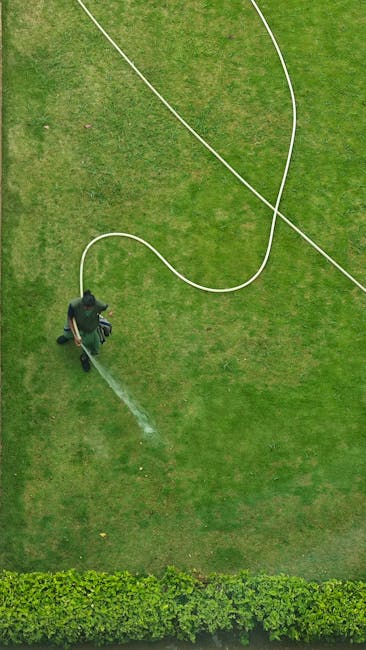
- Water deeply, not daily. If watering is necessary, aim for deeper, less frequent watering rather than a light sprinkle every evening.
- Watch for dry patches. High-traffic areas and south-facing lawns often show stress first.
- Leave clippings if suitable. In modest amounts, they can return nutrients and help reduce waste, though clumps should always be cleared.
- Minimise heavy wear. Try to vary paths across the lawn, especially when conditions are hot and dry.
In a hot spell, a lawn may go a little dull or straw-coloured. That does not automatically mean it is dying. Grass can recover when temperatures and moisture improve. Panic feeding or overwatering often causes more harm than good. Summer lawn care is a bit of a patience exercise, really.
Autumn: rebuild strength and set up for winter
- Remove fallen leaves regularly. Wet leaves can block light and encourage disease.
- Cut back gradually. Keep mowing as long as the grass is still growing, but reduce frequency as growth slows.
- Scarify lightly if thatch is building. Autumn is a good window for cleanup after summer wear.
- Aerate again if drainage is poor. This is especially helpful on heavier soils.
- Overseed bare or weak areas. Autumn conditions often support better germination than high summer heat.
- Apply an autumn feed. A feed formulated for seasonal recovery can support root strength rather than pushing soft growth.
- Keep borders tidy. Prevent leaves and mulch from smothering the grass edges.
Autumn is the season where a bit of effort pays off for months. It is also when you can sort out the lawn more quietly, without the pressure of peak growing season. If the lawn needs more than a tidy-up and you want to discuss options, contact us is a useful next step.
Winter: protect the surface and avoid preventable damage
- Keep the lawn clear. Remove leaves and debris before they become soggy mats.
- Avoid working on frozen ground. Grass blades and roots can be damaged by foot traffic when frozen.
- Reduce traffic on wet areas. Constant walking on saturated turf causes compaction and bare tracks.
- Do not overcut. If mowing is still needed in mild weather, do only what the grass requires.
- Monitor drainage issues. Puddles or persistent soft spots are worth noting for spring repair.
Winter lawn care is mostly about restraint. Not exciting, I know. But the less you disturb the surface, the less damage you create. And when spring comes back around, the lawn is ready to respond properly.
Expert Tips for Better Results
These are the small details that often separate a decent lawn from a genuinely healthy one. Nothing flashy. Just smart habits.
- Test the ground with your feet. If the soil sinks or feels sticky, it is probably too wet for heavier work.
- Change your mowing pattern. Repeating the same route can compact the same lines over time.
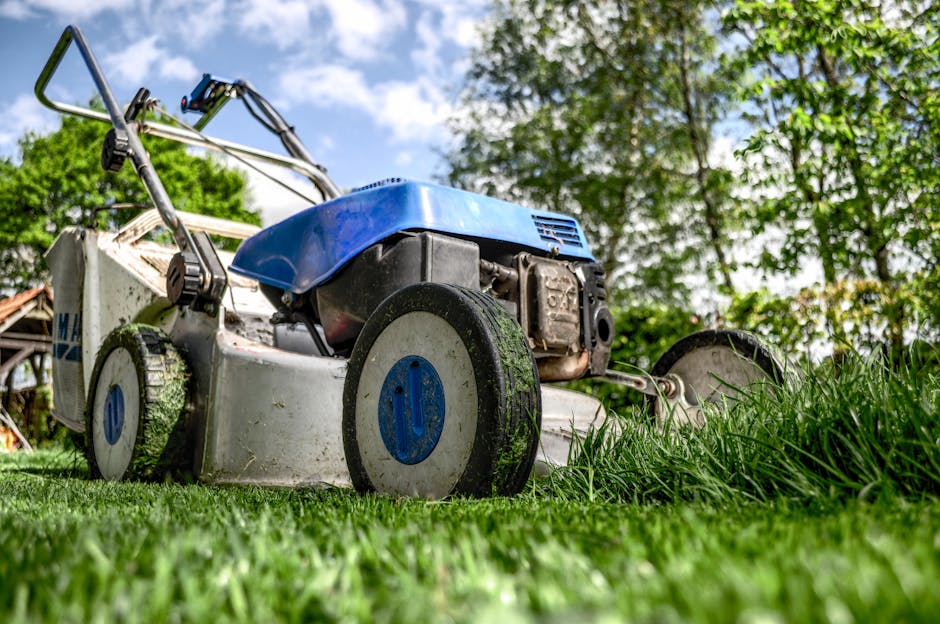
- Sharpen mower blades regularly. Clean cuts heal better than torn grass edges.
- Tackle weeds by improving the lawn first. Thick, healthy turf is often the best long-term defence.
- Match seed to the site. Shade, wear, and drought tolerance all matter more than most people think.
- Feed only when grass is actively growing. Feeding a dormant lawn is mostly wasted effort.
- Work in stages. If the lawn needs scarifying, aerating, and overseeding, do not rush all of it in one go if the conditions are poor.
One useful rule of thumb: do less, but do it better. That sounds simple, and honestly it is. The temptation is always to throw everything at the problem. But a lawn usually responds best to careful, well-timed work.
If you are considering a professional maintenance plan, checking a company's approach to safety and site care is wise. Pages like health and safety policy and insurance and safety can help build trust before anyone sets foot on site.
Common Mistakes to Avoid
Most lawn problems are not caused by a lack of effort. They are caused by the wrong effort at the wrong time. Here are the big ones to avoid.
- Cutting too short: Scalping weakens grass, exposes soil, and encourages weeds and moss.
- Overwatering: Frequent shallow watering can train roots to stay near the surface, which makes the lawn less resilient.
- Working on saturated soil: Aeration and mowing on very wet ground can create compaction and rutting.
- Ignoring thatch: A thick thatch layer blocks water and air from reaching the soil.
- Feeding at random: Seasonal feeds work best when matched to the lawn's actual growth stage.
- Leaving leaves too long: A few days can make a surprising difference in damp weather.
- Expecting instant recovery: Grass grows in phases. Some improvements take weeks, not afternoons.
There is also the classic mistake of trying to fix everything at once after months of neglect. It feels productive, but the lawn often ends up stressed. Better to stage the work and let the grass recover between tasks.
Tools, Resources and Recommendations
You do not need a shed full of specialist kit to keep a lawn in good shape, but a few reliable tools make life much easier.
| Tool or item | Best use | Why it helps |
|---|---|---|
| Lawn mower | Regular cutting through the growing season | Keeps the grass even and prevents coarse growth |
| Spring-tine rake or scarifier | Removing thatch and dead material | Improves airflow and light penetration |
| Garden fork or aerator | Relieving compaction | Helps water and nutrients reach the roots |
| Broadcast spreader or hand spreader | Applying seed or feed evenly | Reduces patchy results and waste |
| Leaf rake | Autumn leaf clearance | Keeps the surface open and healthy |
| Soil improver or top dressing material | Repairing thin or uneven spots | Supports better germination and smoother growth |
For larger gardens or regular commercial-style maintenance, professional help may be more efficient than buying everything separately. If you are still weighing up the cost of that route, pricing and quotes gives you a sense of how to plan the next step without guessing.
Also worth saying: if you are managing garden waste or making decisions around materials, the page on recycling and sustainability is a sensible companion read. It keeps the whole maintenance routine more thoughtful, and a bit less throwaway.
Law, Compliance, Standards, or Best Practice
For domestic lawn care, the main concern is not usually regulation in the strict sense. It is more about safe, responsible best practice. That said, if machinery, fertilisers, or contractor work is involved, sensible standards matter.
If you are hiring a gardener or landscape team, it is reasonable to ask about public liability cover, safe working methods, and how they handle materials and waste. Those checks are not overbearing; they are just sensible. A professional outfit should be comfortable discussing their procedures, and pages such as terms and conditions and privacy policy help show how a business handles customer information and service expectations.
If work involves powered equipment, chemical treatments, or access issues, a company should also have clear safety practices in place. This is where a public-facing health and safety policy and insurance and safety information can be reassuring.
For anyone running a business or booking work on behalf of a property, transparency matters too. Clear communication, fair handling of concerns, and secure payment processes are all part of a good service experience. If that is something you value, the relevant support pages on payment and security and complaints procedure are worth a look.
Options, Methods, or Comparison Table
There is no single "best" lawn care method. The right approach depends on your lawn's condition, your time, and how much hands-on effort you want to commit. Here is a simple comparison.
| Approach | Best for | Pros | Trade-offs |
|---|---|---|---|
| DIY seasonal routine | Homeowners with time and basic tools | Flexible, lower direct cost, satisfying to manage | Requires judgement, time, and a bit of learning |
| DIY plus occasional pro help | Lawns needing recovery work | Good balance of control and expertise | Still requires planning and coordination |
| Full professional maintenance | Busy households, larger gardens, or problem lawns | Consistent, efficient, less guesswork | Higher cost than doing it yourself |
For many people, the middle route is the sweet spot. You handle the regular mowing and leaf clearing, then bring in expertise for the heavier seasonal jobs. That is often the least stressful option, especially if the lawn has drainage issues or heavy shade.
Case Study or Real-World Example
Here is a simple example from a typical suburban garden. The lawn was thin in the front, mossy along one shaded side, and prone to muddy patches near the path after winter. Nothing dramatic. Just the usual wear and tear that creeps up on people.
In spring, the surface was raked clean, the compacted edge near the path was aerated, and the thinnest areas were overseeded. Mowing started high and stayed gentle for the first few cuts. By early summer, the lawn was denser but still needed careful watering during warmer weather.
In autumn, the owners cleared leaves more regularly than before, lightly scarified the shaded area, and improved the surface where the grass had struggled most. The results were not instant, which matters to say. But by the following spring, the patchy look had reduced, and the lawn felt more even underfoot. Not perfect. Better. Much better.
The key lesson was simple: the lawn did not need heroic treatment. It needed consistency. That is usually the real story behind successful lawn care.
Practical Checklist
Use this checklist as a quick seasonal reminder. If you are short on time, this is the part to keep handy.
- Clear leaves, twigs, and debris from the surface
- Check for compacted areas, bare patches, and standing water
- Mow at the right height for the season
- Sharpen or service mower blades when cuts look ragged
- Aerate when the soil is compacted, but only if conditions are suitable
- Scarify lightly if thatch is building up
- Overseed thin or damaged areas
- Feed only when the lawn is actively growing
- Water deeply and sparingly when needed
- Reduce foot traffic on wet, frozen, or recovering turf
- Monitor moss, weeds, and drainage issues through the year
- Review whether you need professional help for larger or more stubborn problems
If you are planning a broader garden refresh and want a company overview before moving ahead, about us is a good place to understand the people behind the work. It is a small thing, but it helps.
Conclusion
A good lawn is usually the result of steady seasonal care, not last-minute fixes. Once you understand what grass needs in spring, summer, autumn, and winter, the whole job becomes far more manageable. You do not need to do everything. You just need to do the right things at the right time.
This step by step seasonal lawn care guide from expert gardeners is designed to help you make better choices with less stress. Start with the basics: mow correctly, protect the soil, feed when it makes sense, and keep an eye on drainage and compaction. Then build from there. A lawn often improves in quiet stages, almost sneaking up on you.
Get a free quote today and see how much you can save.
And if the garden is already looking a bit tired, do not worry. Most lawns can improve with patience, a decent plan, and a few well-timed jobs. Small steps add up. They really do.
Frequently Asked Questions
What is the best monthly lawn care routine in the UK?
The best routine changes with the season. In spring and autumn, focus on repair and recovery work. In summer, concentrate on mowing height and sensible watering. In winter, keep the lawn clear and avoid damage from traffic on frozen or saturated ground.
When should I scarify my lawn?
Scarifying is usually best in periods of active growth, most often in spring or early autumn, when the lawn can recover afterwards. Avoid heavy scarifying during drought, frost, or waterlogged conditions.
How often should I mow my lawn in summer?
It depends on growth rate, but summer mowing is usually less frequent than in spring. The key is to avoid cutting too much at once and to keep the blade height a little higher so the grass can cope with heat and dry spells.
Should I water my lawn every day?
No, daily light watering is usually less effective than deeper watering less often. If you do water, aim to encourage roots to grow deeper rather than keeping the surface constantly damp.
Why is my lawn patchy after winter?
Patchiness after winter is often linked to compaction, shade, poor drainage, or wear from foot traffic. Spring is the right time to aerate, overseed, and improve the conditions around the weak areas.
Can I feed my lawn in autumn?
Yes, an autumn feed can be very useful because it supports root strength and recovery rather than pushing soft, leafy growth. The exact timing depends on weather and the condition of the lawn.
How do I stop moss coming back?
Moss tends to return when the underlying cause is still there. That could be shade, compaction, poor drainage, low nutrient levels, or mowing too short. Improving the lawn's growing conditions is the real long-term fix.
Is it worth hiring a professional for lawn care?
If your lawn is large, badly compacted, very patchy, or affected by drainage issues, professional help can save time and reduce trial and error. It is especially useful when the work involves heavier seasonal tasks or specialist equipment.
What tools do I actually need for basic lawn care?
For basic care, a mower, rake, fork, and spreader are often enough. If you want to improve thin or stressed turf, a scarifier, aerator, and top dressing materials become more useful.
Can I do lawn care if my garden is mostly shaded?
Yes, but shaded lawns usually need a gentler approach and the right seed mix. You may also need to reduce expectations a little. Shade changes growth speed, soil moisture, and the way moss develops.
What should I do if the lawn is waterlogged?
Stop heavy foot traffic, avoid mowing until conditions improve, and look at drainage as a priority. Aerating later, when the soil is workable, may help. Do not try to force the issue when the ground is soft enough to sink into.
How do I choose between DIY and professional lawn maintenance?
Choose DIY if you have the time, interest, and basic tools to keep up with seasonal tasks. Choose professional help if the lawn needs recovery work, you want consistent results, or you simply would rather not spend weekends on it. Both routes can work well.
Where can I find more information about service terms and customer support?
Useful support pages include terms and conditions, privacy policy, and complaints procedure. They help set expectations and show how the service is handled.