Licensed gardeners what to check before you hire
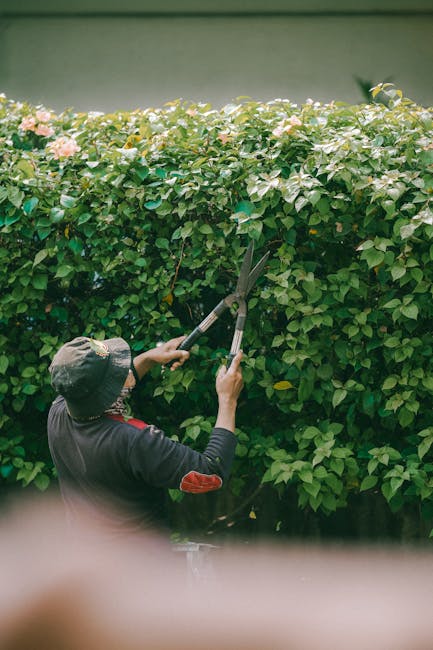
Hiring a gardener sounds simple enough until you realise not every "licensed" or qualified-looking operator is the same. Some are brilliant, some are fine for basic tidying, and some will leave you with patchy lawns, damaged planting, vague invoices, or a job that drags on for weeks. If you are searching for licensed gardeners what to check before you hire, you are probably trying to avoid exactly that mess. Fair enough.
This guide walks you through the checks that matter before you agree to anything. We will cover what a licensed gardener actually means in practice, how the hiring process usually works, what to ask, what to compare, and the quiet warning signs people often miss until it is too late. You will also find a practical checklist, a comparison table, and a realistic example to help you make a calmer, better decision.
Why Licensed gardeners what to check before you hire Matters
Let's face it: gardens can look straightforward from the gate, but once you start talking about pruning, lawn care, hedge work, waste removal, fencing, or landscaping, the risks stack up quickly. A good gardener does more than cut grass. They understand plant health, timing, tools, site conditions, and how to work safely around people, pets, and neighbouring property.
That is why checking credentials, insurance, experience, and working methods matters. If a gardener is properly set up, you are more likely to get reliable communication, tidy work, and realistic advice. If they are not, you may end up paying twice. Sometimes literally. In our experience, the biggest problems do not come from dramatic disasters; they come from small misses that snowball. A hedge cut at the wrong time. A patio pressure-washed too aggressively. A quote that sounded friendly but excluded all the awkward bits.
There is also a trust element. You are letting someone into a private outdoor space, often around side access, sheds, tools, and sometimes even pets or children. You want someone who is competent, insured, and comfortable being accountable. That sounds obvious, but people skip the basics when they are rushed. Usually because the garden has become a bit of a jungle and they just want it sorted. Understandable, but not ideal.
Key point: the best hire is not always the cheapest. It is the one whose quote, conduct, and evidence all line up.
How Licensed gardeners what to check before you hire Works
There is no single official checklist for hiring a gardener, because the right checks depend on the job. A small weekly maintenance visit needs different scrutiny from a major garden clearance, tree work, or a landscaping project. Still, the process usually follows the same pattern.
First, you define the work. Are you after regular maintenance, a one-off tidy-up, hedge trimming, lawn mowing, a full garden clearance, or a larger project such as landscaping? The clearer you are, the easier it is to compare like with like. A gardener quoting for routine maintenance should not be judged against a team pricing a full redesign, and vice versa.
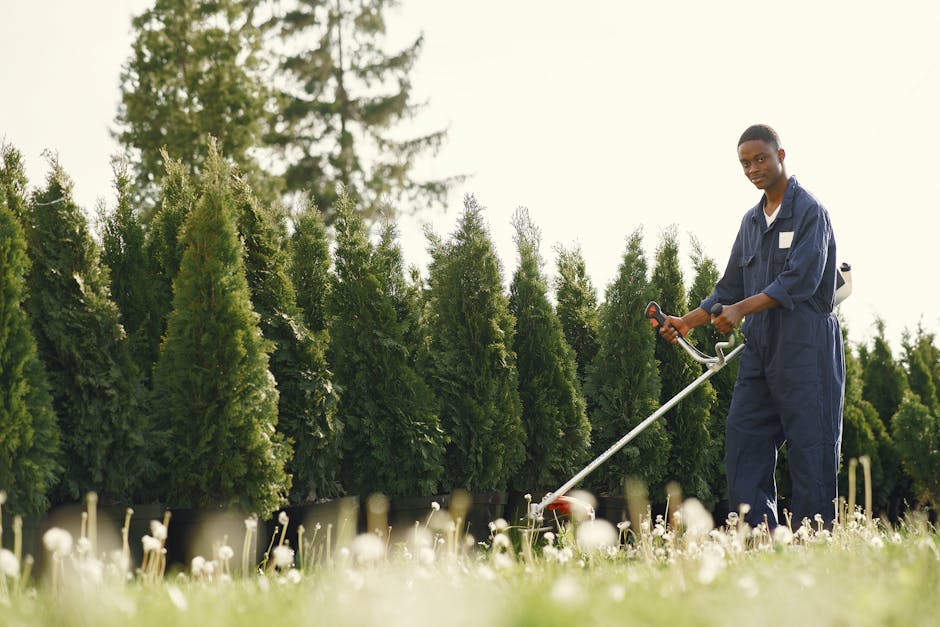
Next, you check whether the gardener is actually set up for that kind of work. For example, a basic maintenance visit might involve lawn care, deadheading, weeding, and light pruning. A more complex job could require specific machinery, waste handling, ladder work, or coordination with other trades. If you are booking a broader package, you may want to review services like garden maintenance, garden clearance, or a more general gardening services offering so you know what is included.
Then comes the fact-checking stage. This is where you look at public presence, experience, insurance, safety standards, quotes, and how they answer questions. A reputable gardener should be able to explain what they will do, what they will not do, what materials or disposal costs apply, and how long the work is likely to take. If you ask a sensible question and get a vague answer, that tells you something.
Finally, you compare the paperwork and the person. That sounds a bit cold, but it is practical. The quote might be neat, yet the conversation may feel rushed or evasive. Or the gardener might be personable but unable to explain how waste will be removed. You need both. The human side and the professional side.
Key Benefits and Practical Advantages
Checking properly before you hire saves more than money. It saves time, stress, and the kind of awkward follow-up messages nobody enjoys sending on a damp Tuesday morning.
- Better quality of work: A gardener with the right experience is more likely to cut, trim, prune, and clear in a way that supports the garden long term.
- Fewer surprises: Clear scope, pricing, and timings reduce the chance of extra charges appearing halfway through the job.
- Improved safety: Proper equipment, insurance, and safe working practice matter especially for ladders, power tools, hedges, and tree-related jobs.
- Less damage: Well-briefed gardeners are less likely to scalp lawns, overcut shrubs, or break paving, fencing, and edging.
- Better planning: Good professionals can advise on seasonal timing, access, disposal, and follow-up maintenance.
- More confidence: Once you know who you are hiring, you can relax a bit and let them get on with it.
There is also a quieter benefit: a good gardener often spots issues before they become expensive. A patchy lawn that needs reseeding. A hedge that is shading too much. A fence post that is beginning to lean. These little observations can be genuinely useful, especially if your garden has been neglected for a while.
Who This Is For and When It Makes Sense
This guide is for anyone who wants a reliable gardener and does not fancy gambling on a handwritten quote and a cheerful promise. If that sounds a bit blunt, well, gardens have a habit of teaching humility.
It makes sense for:
- homeowners who need regular upkeep and want consistency
- landlords preparing a property for viewings or tenancy turnover
- busy families who need the garden kept safe, usable, and tidy
- older homeowners who want dependable help without constant chasing
- people planning a one-off clear-out before a larger project
- anyone comparing a local gardener, a gardening company, or a landscaping team
It is especially useful when the work involves more than basic tidying. If a job includes tree work, fencing, deck installation, waste removal, or machinery, the checks become more important. For example, if you are weighing up a tree surgeon versus a general gardener, the scope and qualifications can be very different. Same if the job touches fencing or hard landscaping. You need the right skill set, not just "someone who does gardens."
Local relevance matters too. A gardener working across London boroughs or suburban postcodes needs to understand access, parking, waste logistics, neighbour considerations, and sometimes tighter space constraints. A narrow side return in south London is not the same as an open driveway in a quieter suburban street. That difference matters, even if it sounds small.
Step-by-Step Guidance
Here is the practical part. If you want a simple decision process, use this one.
1. Define the exact work
Start by writing down what you need. Be specific. For example:
- front and back lawn mowing every two weeks
- hedge trimming once or twice a year
- full garden clearance after a long period of neglect
- new turf installation and soil preparation
- fence repair or replacement alongside planting work
The more precise you are, the easier it is to tell whether a quote is fair. It also helps the gardener tell you honestly whether the job fits their service. If you need a recurring visit, a lawn mowing services package may make more sense than a one-off callout. If the garden is overgrown, a garden clearance visit may be the better starting point.
2. Check experience with your type of job
Ask whether they have handled similar work before. A gardener who mainly does routine maintenance may be excellent at it, but less suited to heavy clearance, turf laying, or structural work. Ask for examples in plain language. Not polished sales talk. Real examples.
Good questions include:
- Have you done this kind of garden before?
- What would you do first if the site is overgrown?
- How do you handle clippings, branches, and waste?
- Do you bring your own tools and machinery?
3. Verify insurance and safety arrangements
Insurance is one of the most important checks. If someone is injured on your property or something is damaged, you want to know the gardener has the right cover in place. Ask directly and request evidence if needed. You are not being difficult. You are being sensible.
Also ask about safety procedures. Will they use guards, appropriate footwear, eye protection, or safe ladder practices? Do they understand how to work near pets, children, delicate planting, or fragile surfaces? If the job involves heavier equipment, the difference between careful and careless can show up in a heartbeat.
4. Read the quote carefully
Not all quotes are equal. Some look tidy but hide gaps. A decent quote should say what is included, what is excluded, and whether waste removal, materials, or return visits are extra. If not, ask.
Watch for these details:
- labour cost and number of visits
- materials or supply costs
- waste removal and disposal fees
- site access assumptions
- VAT, if applicable
- contingencies for hidden problems
If you want a deeper sense of pricing structure, it can help to review a page such as pricing and quotes alongside your comparison. That way you can tell whether one offer is genuinely better value or just cheaper on paper.
5. Ask how they handle waste and recycling
Garden work creates waste fast. Branches, grass cuttings, soil, old fencing, broken edging, and the odd rusty bit of debris can pile up before you know it. Ask how waste is managed, where it goes, and whether disposal is included in the price. Sustainable handling is a bonus too. If that matters to you, look for a gardener who can speak clearly about recycling and responsible disposal, not just "we'll sort it."
For larger clear-outs, the difference between a tidy site and a messy one often comes down to waste planning. Simple as that.
6. Compare communication, not just price
Do they reply promptly? Do they answer the actual question? Do they seem rushed, defensive, or vague? Communication is often a decent preview of what the working relationship will feel like. If they cannot explain the quote now, they probably will not explain a change clearly later.
And yes, you may get a good gut feeling. That counts for something. Not everything. But something.
7. Agree the work in writing
Before the first visit, make sure the scope is agreed in writing, even if it is just via email. It should include the date, the tasks, the price basis, and any conditions. That way you both have the same understanding. No mystery. No "I thought you meant the hedge as well."
Expert Tips for Better Results
Here is where the little details matter. These are the kinds of things that tend to separate a decent hire from a great one.
- Ask for seasonal judgement, not just availability. A good gardener knows when to prune, when to mow lower, when to leave things alone, and when a plant is better left until the right season.
- Look for a tidy setup. Tools organised well, clear PPE, and a clean van or kit area often suggest the work itself will be handled with care.
- Test their knowledge with one small question. Something like "What would you avoid cutting back right now?" If they give a thoughtful answer, that is encouraging.
- Be clear about access. Narrow gate? Shared driveway? Long path? Mention it early. Nobody likes carrying a heavy mower half the length of the garden in the rain.
- Do not overcomplicate the first job. If you are unsure, start with a smaller visit. It gives both sides a chance to see how the arrangement feels.
Another good tip: listen to the words they use. Experienced gardeners usually speak plainly about trade-offs. They do not pretend every task is quick, cheap, and easy. Truth be told, that kind of honesty is worth more than a flashy promise.
If the gardener also offers related services, that can be useful. A team that handles garden services, hedge trimming, or lawn mowing may be able to keep your outdoor space more consistent across the year. Consistency matters. One-off heroics are fine, but steady care is usually what keeps a garden looking good.
Common Mistakes to Avoid
People usually do not hire badly on purpose. They just skip the boring checks. Then the problems start. Here are the ones worth avoiding.
- Choosing on price alone: Cheap can be fine, but if it is dramatically lower than the others, ask why. Something is often missing.
- Not defining the job: "Sort the garden out" is not a scope. It is a wish.
- Ignoring insurance: If things go wrong, you will want reassurance that the work was properly covered.
- Assuming all gardeners do the same thing: Maintenance, clearance, landscaping, tree work, and fencing are not identical skills.
- Forgetting waste removal: The garden may look lovely while the bags of clippings sit at the side. Not ideal.
- Failing to confirm timing: A job that slips by weeks can throw off planting, mowing, or seasonal pruning.
- Not checking what happens if conditions change: A hidden stump, broken paving, or access issue can affect the price and schedule.
One small but common mistake is expecting the same gardener to be perfect for every job. Some are superb at regular maintenance but not the right fit for a full redesign. Others are brilliant landscapers but not the most cost-effective choice for fortnightly grass cutting. You do not need a superhero. You need the right person for the task.
Tools, Resources and Recommendations
You do not need a complicated toolkit to hire well. A notebook, a few photos of the garden, and a simple comparison method will do most of the job.
- Photos: Take wide shots and close-ups of problem areas. Especially useful for overgrown corners, hedges, or damaged fencing.
- Measurements: Approximate lawn size, hedge length, or access width can help with quoting.
- A written brief: A short list of what you want done, what you do not want touched, and any time constraints.
- Comparison notes: Keep one simple row for each gardener: experience, insurance, quote clarity, communication, availability, and confidence.
It can also help to review related service pages if you are comparing job types. For example, if the garden needs a wider refresh, a gardener may advise on landscape gardening or landscaping rather than just maintenance. If the grass is the main issue, a page about grass cutting can help you understand what routine care should include. If fencing or structure is involved, look at garden fencing options as well.
And if you are still comparing companies, the about us page is often a good place to sense how a business presents itself, while a clear contact us route tells you how easy they are to reach. Small thing, perhaps. But small things add up.
Law, Compliance, Standards, or Best Practice
This is the area where caution matters most. Gardening and landscaping can touch on health and safety, waste handling, electrical equipment, ladders, trees, fencing, and access. You do not need to become a legal expert, but you do need sensible expectations.
In the UK, a professional gardening business should be able to explain how it works safely, how it protects property, and how it manages waste. For some tasks, especially tree work or larger landscaping jobs, there may be additional practical standards or site-specific requirements to consider. If a gardener uses machinery, works at height, or performs more hazardous tasks, they should have appropriate procedures in place. Ask about their health and safety policy and insurance and safety approach if you want to understand their working standards more clearly.
Best practice also includes communication and record keeping. A proper quote, clear scope, and mutual understanding reduce disputes later. If waste is removed, it should be handled responsibly. If a job is beyond basic garden upkeep, the business should be honest about that rather than blurring the lines. That honesty is a sign of professionalism, not weakness.
There is also an ethical side to check. Responsible firms will usually care about sustainability, proper disposal, and avoiding unnecessary damage to plants or habitats. If that matters to you, a page on recycling and sustainability can give you a sense of the values behind the service.
Options, Methods, or Comparison Table
If you are weighing up different ways to hire, the table below gives a simple comparison. Not every job fits neatly into one box, but it helps to see the trade-offs.
| Option | Best for | What to check | Possible drawback |
|---|---|---|---|
| Independent local gardener | Regular maintenance, smaller jobs, personal service | Insurance, consistency, equipment, availability | May not cover specialist work or larger projects |
| Gardening company | Broader service range, recurring work, bigger sites | Scope, quote detail, team size, communication | Can cost more, sometimes less personal |
| Landscape gardening team | Redesigns, structural changes, turf, hard landscaping | Portfolio, materials, project management, timescales | May be excessive for simple maintenance |
| Specialist contractor | Tree work, fencing, decking, heavy clearance | Specific expertise, insurance, safety controls | Less suited to general garden upkeep |
The main lesson here is simple: match the type of provider to the type of job. A strong general gardener can do a lot, but specialist work deserves specialist attention. The wrong choice is where many budgets quietly disappear.
Case Study or Real-World Example
Here is a realistic example from a common kind of enquiry. A homeowner had a back garden that had slipped behind over winter. The lawn was patchy, a hedge had grown across the path, and there were old clippings tucked into corners like they had been hiding on purpose. Nothing dramatic, but enough to make the space feel neglected.
They first contacted a gardener who gave a quick verbal price over the phone. It sounded fine, but there was no detail on waste removal, no mention of hedge disposal, and no clarity on whether the quote included cutting back around the fence line. Another gardener took a few photos, asked about access, explained what could be done in one visit, and then set out a clearer quote with the likely extras explained in advance.
The second gardener did not seem "cheaper" at first glance. But once the homeowner compared the full scope, they realised the cheaper quote would likely have grown once the work started. The job itself went smoothly because the expectations were set properly. Hedge cut, lawn tidied, waste removed, and a couple of follow-up recommendations given for the next visit.
The useful part of this story is not that one gardener was magically better than the other. It is that the better process created a better result. The homeowner asked the right questions, got a clearer answer, and avoided the classic "we did not include that" conversation. Which, frankly, nobody enjoys.
Practical Checklist
Use this checklist before you hire. You can copy it into your notes app and tick it off one by one.
- Do I know exactly what work I need done?
- Has the gardener done similar jobs before?
- Have I checked insurance and safety arrangements?
- Is the quote clear on labour, materials, and waste removal?
- Do I understand what is included and excluded?
- Have I discussed access, parking, and site limitations?
- Is the timing realistic for the season and the task?
- Have I compared more than one option?
- Have I read any relevant policy pages or service details?
- Do I feel confident they communicate clearly and honestly?
Quick summary: if the gardener is experienced, insured, clear on scope, and easy to communicate with, you are usually in good shape. If they are vague, rushed, or unwilling to explain the basics, pause. Better to wait a day than regret a year.
Get a free quote today and see how much you can save.
Conclusion
Hiring a gardener should make life easier, not more complicated. The safest way to choose well is to check the right things before you commit: experience, insurance, quote detail, safety, scope, and communication. That is the core of licensed gardeners what to check before you hire, and it is far more useful than simply chasing the lowest price.
If you take a few minutes to ask better questions, you will usually get a better result. The garden will be treated properly, the work will be clearer, and you will have fewer surprises later on. Not glamorous. Just sensible. And honestly, that is what most people want.
One calm, well-chosen hire can turn a tired outdoor space into somewhere you actually want to spend time. Morning light on trimmed hedges, the sound of a mower finishing cleanly, a path you can walk without dodging branches. Small things, but they matter.
Choose carefully, and your garden will thank you in its own quiet way.
Frequently Asked Questions
What should I check first when hiring a gardener?
Start with the exact job, then check experience with that type of work, insurance, and whether the quote clearly explains what is included. That first pass removes a lot of risk very quickly.
Do I need a licensed gardener for basic garden maintenance?
For simple maintenance, you may not need a specialist contractor, but you should still check competence, insurance, and references or examples of similar work. "Licensed" can mean different things in everyday use, so focus on proof of professionalism rather than the label alone.
How do I know if a gardener is insured?
Ask directly and request evidence if you want reassurance. A reputable gardener should be able to explain their cover without making it awkward. If they hesitate, treat that as a warning sign.
Should I get more than one quote?
Yes, ideally. Two or three quotes help you compare scope, price, communication, and professionalism. You are not just comparing numbers; you are comparing how each person thinks through the job.
What questions should I ask before booking a gardener?
Ask about previous experience, insurance, tools, waste removal, timing, and whether the quote includes everything needed. One useful question is, "What would you exclude from this job?" It tends to reveal the weak spots quickly.
Is the cheapest gardener always the worst choice?
Not always, but a very low quote should make you look closer. Sometimes it is a great deal. Sometimes key items are missing, and the final bill climbs later. The quote should make sense, not just look attractive.
What if my garden needs more than maintenance?
If you need turfing, fencing, clearance, decking, or a redesign, ask whether the gardener also handles larger projects or whether a specialist team is better. The right provider for maintenance is not always the right provider for structural work.
How important is waste removal?
Very important. Garden work often creates more waste than people expect. Clarify whether disposal is included, where waste goes, and whether extra charges apply. This is one of the most common places for misunderstandings.
Should I check reviews or testimonials?
Yes, if available, but read them sensibly. Look for mentions of punctuality, communication, tidy work, and whether the final result matched the quote. A few detailed comments are usually more helpful than a pile of vague praise.
What does a good quote for gardening work look like?
A good quote should describe the tasks, pricing basis, waste handling, materials, and any conditions or exclusions. It should feel specific enough that both sides could repeat it back without drifting into guesswork.
How often should I have my garden maintained?
That depends on the size of the garden, the season, and how much growth you get. Some gardens need fortnightly visits; others do well with occasional seasonal work. A good gardener should help you set a realistic schedule rather than selling more visits than you need.
What is the biggest mistake people make when hiring a gardener?
The biggest mistake is usually choosing too fast. People rush because the garden looks bad, or because they want a quick fix before guests arrive. A little patience at the start often saves a lot of hassle later.
Can I use one company for gardening and landscaping?
Yes, if they genuinely offer both and have the relevant experience. It can be convenient to use one trusted team for mowing, planting, clearance, and landscaping. Just make sure they are strong in the specific type of work you need, not only in marketing.